HISTORY
FOREWORD
Much has been written about Tartu, less about its commercial life, and very little about its market trade. Yet, the market has played a remarkably important role in the life of the town. To help today's Tartu residents appreciate the changes in their hometown's market trade, and to give market workers a reason to look back on the past – that is what inspired this record of Tartu Market. Time urges us forward, as fewer and fewer people remain who can help with this endeavor. Through the following stories and pictures, we take a look at the past and present of Tartu's market trade, its people, trading stalls, and goods.
Ülo Kard 1988
Ülo Kard 1988
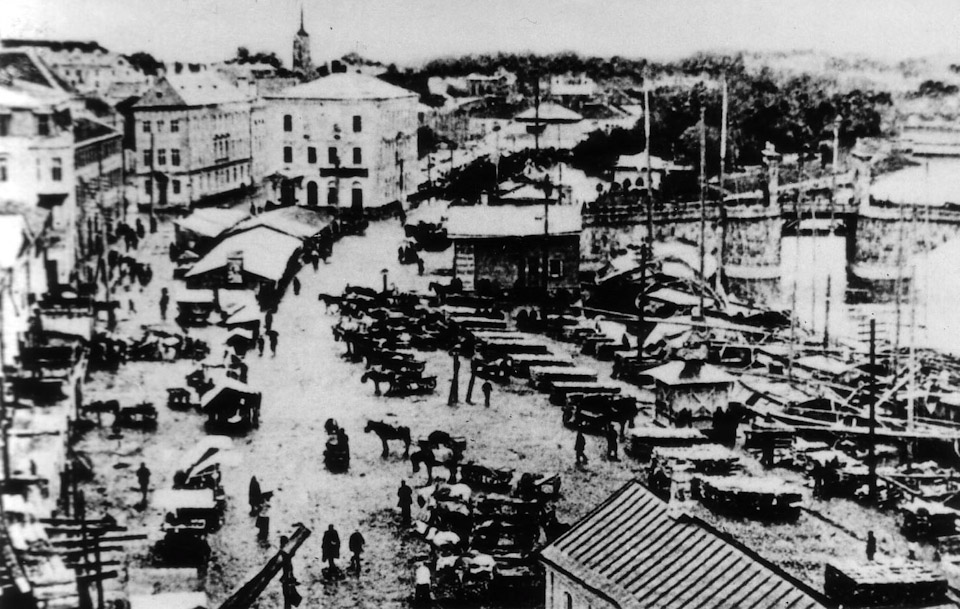
MARKET AND FAIR TRADE IN THE OLD DAYS
The earliest reliably dated history of Tartu fairs dates back to 1582, when a privilege granted by Stefan Batory permitted three fairs to be held.
In the 1901 issue of the "Livonian Governorate Gazette", one can read that the Tartu City Council passed a market regulation effective from November 9, 1901.
The regulation begins with a list: bread market, dairy products market, boots, hats and tinware market, miscellaneous goods market, and flea market.
Explore our history
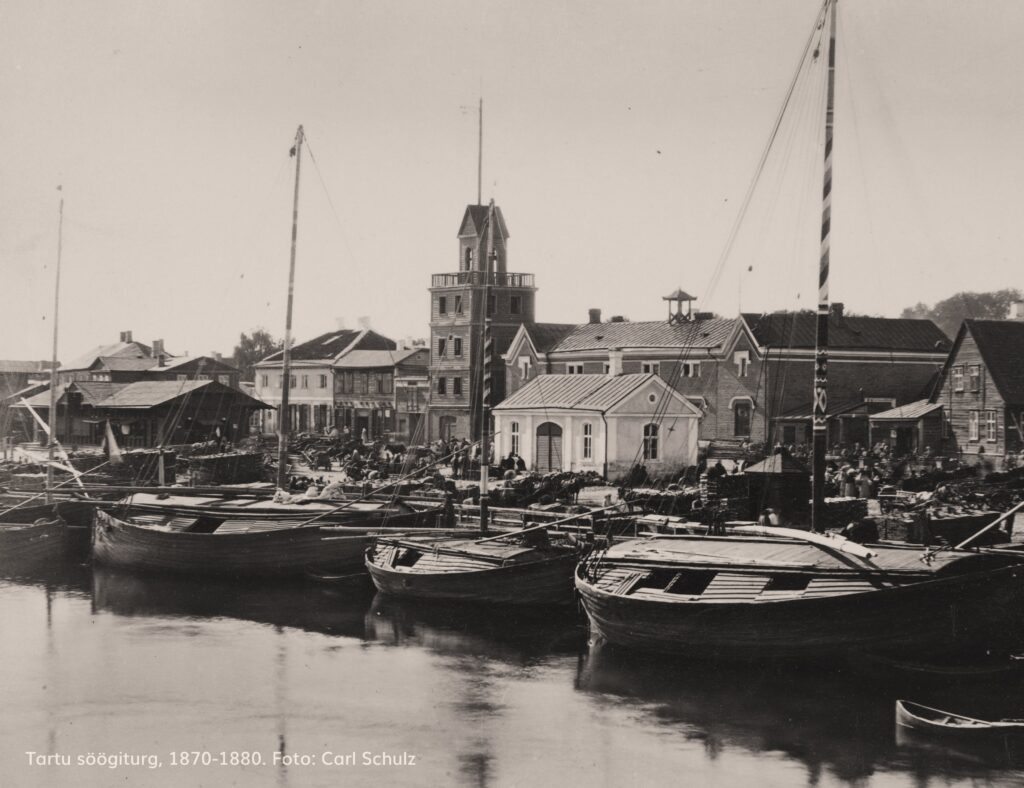
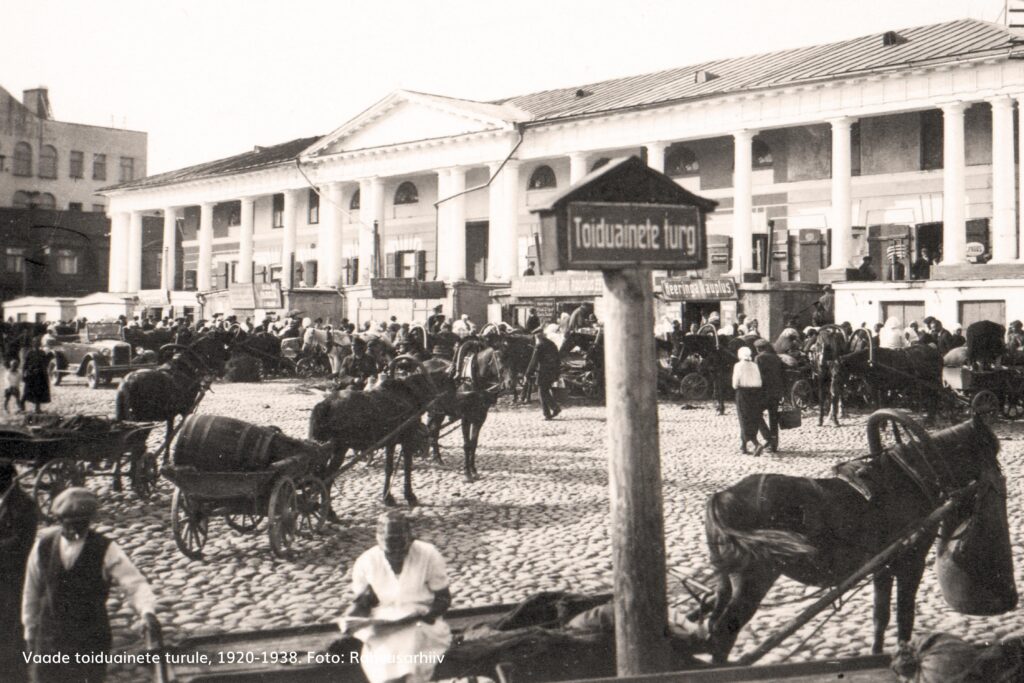
Tartu food market

View of the food market

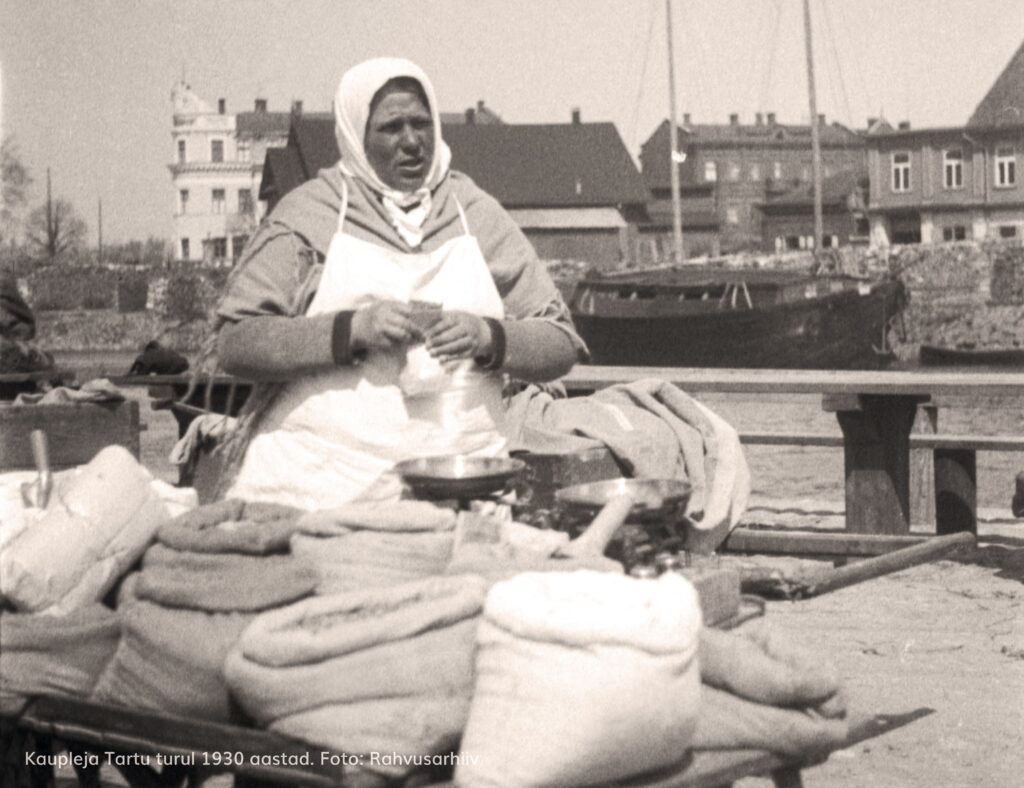
www.timeffect.com Vendor at the market in 1930
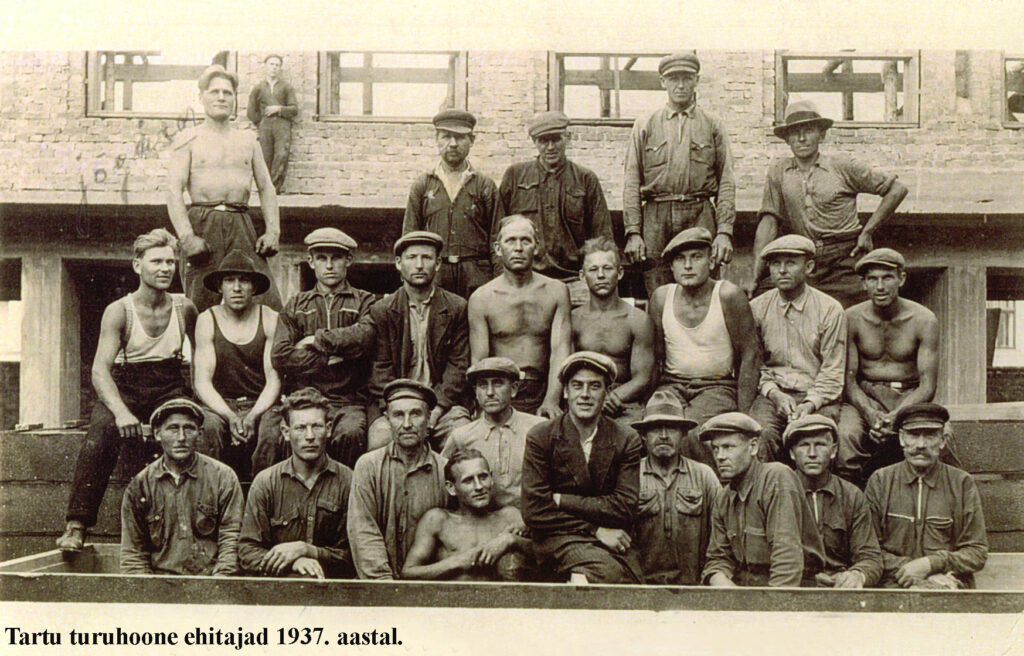
Market Hall builders in 1937
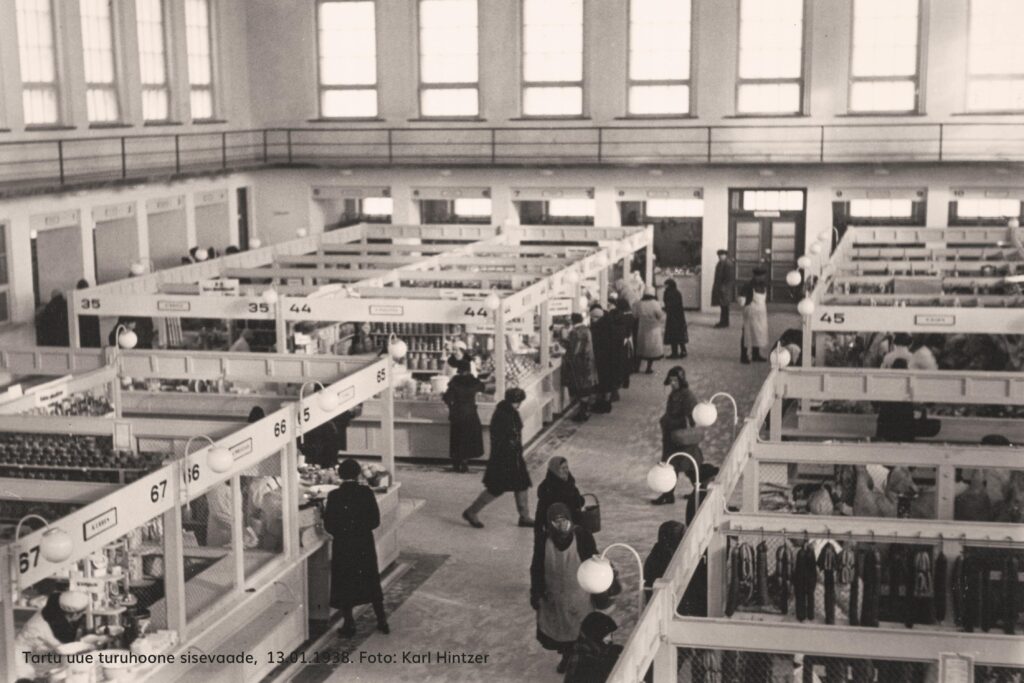
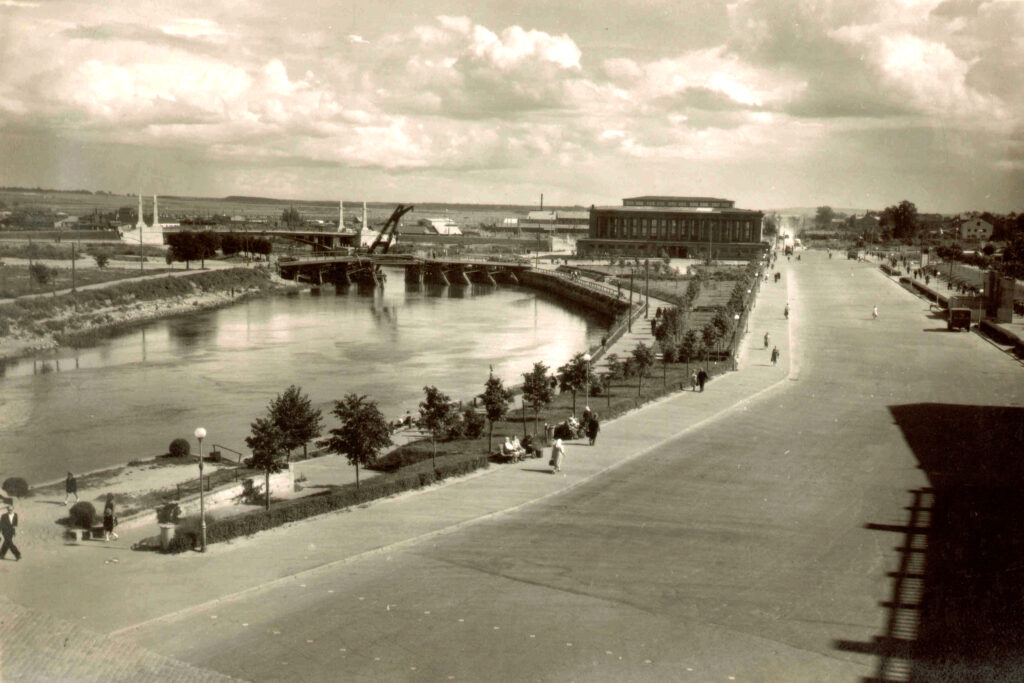
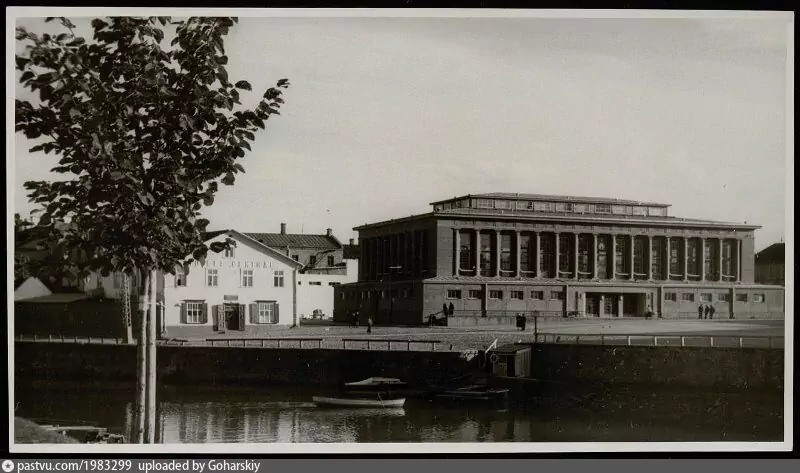
 The construction contract was signed in July 1936, and the market hall was completed in December 1937, remaining Estonia's most impressive market hall for a long time.
Interior view of the Market Hall
Interior view of Tartu's new Market Hall in 1938Fairgoers at the food market
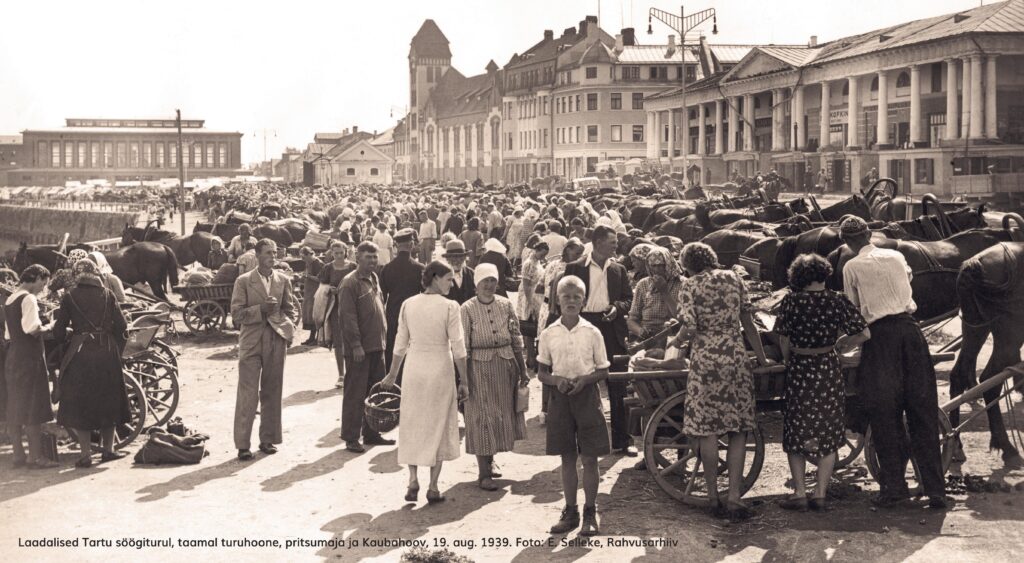
 Fairgoers at Tartu's food market, with the market hall, fire station, and trading yard visible in the background.
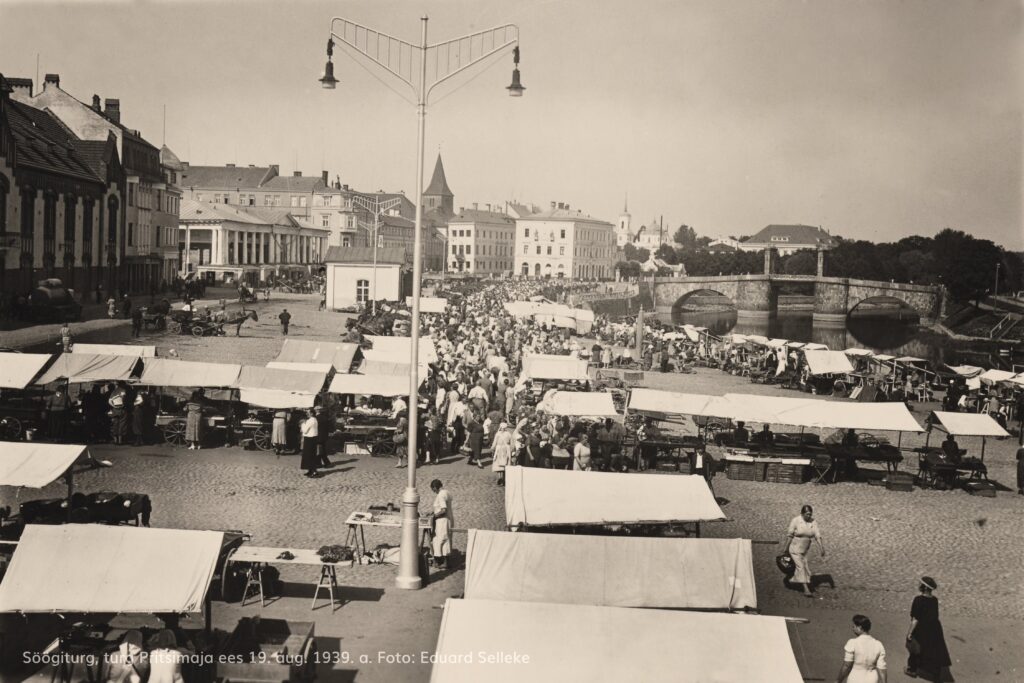
Food market in front of the fire station
Tartu food market in front of the fire station in August 1939.Market visitors at the food market in 1941
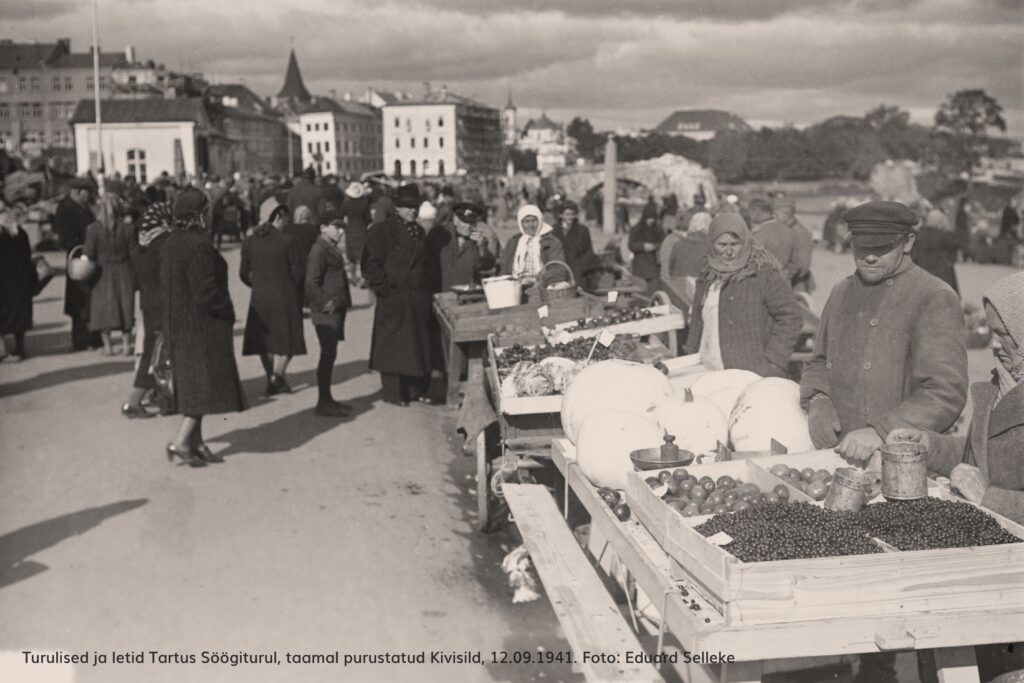
Marketgoers and German soldiers at Tartu's food market, with the destroyed Stone Bridge on the right in 1941Damage to the Market Hall in 1941
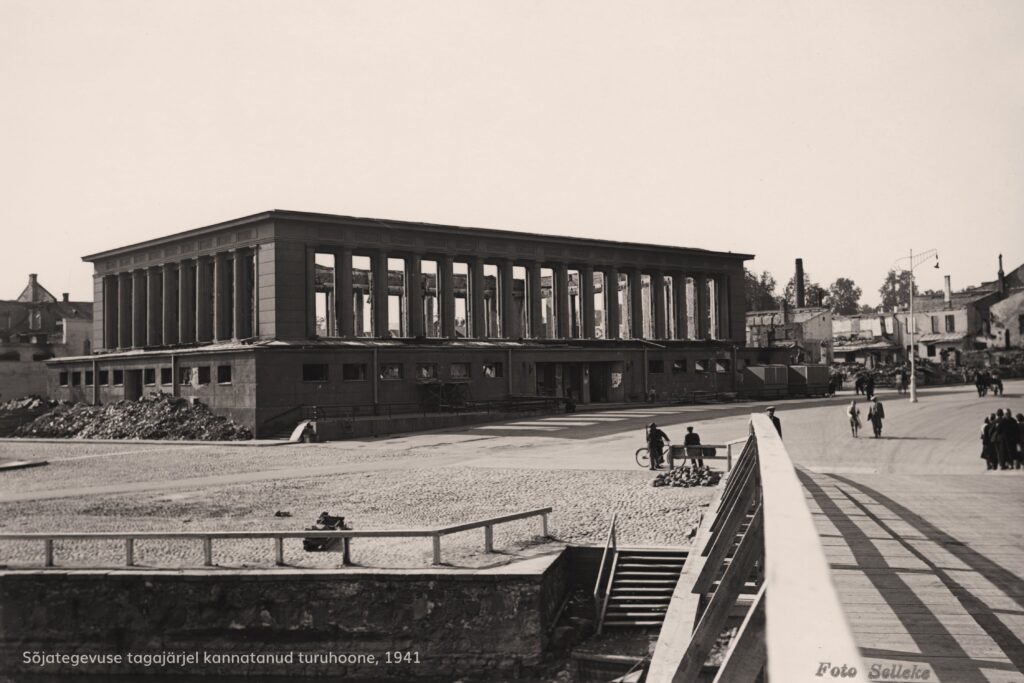
Market Hall damaged as a result of warfare in 1941Market Hall in 1957